



1. USCRI Concerns Over USCIS Refugee Reinterview Plan
The U.S. Committee for Refugees and Immigrants (USCRI) expressed concerns over a purported policy from U.S. Citizenship and Immigration Services (USCIS) to review and possibly reinterview more than 200,000 refugees admitted to the U.S. between January 2021 and February 2025. USCRI CEO Eskinder Negash argued such policy, if enacted, could upset years of refugee integration and trigger a slew of setbacks, including threats to lawful permanent residences and employment. USCRI, along with 60 other organizations composed of national, state, and local communities, urged the U.S. Government to uphold its commitment to safeguard refugees. USCRI, a non-governmental international organization, works on behalf of refugees and immigrants to assist their transition to a dignified life.
2. Investigating Trump Administration’s Treatment of Pregnant Unaccompanied Minors
Freedom of Information Act requests were filed by ACLU and the National Center for Youth Law seeking information about the Trump administration’s treatment of pregnant unaccompanied minors in federal immigration custody. The concern is over the placement of these vulnerable individuals in states with abortion bans. Current policy necessitates the Office of Refugee Resettlement to grant pregnant youth access to all pregnancy-related care, including abortion, and prioritize placement in states without stringent abortion restrictions. The fear is that the Trump administration might propose a change in regulation which might limit abortion access for unaccompanied immigrant minors. Mishan Wroe, directing attorney at the National Center for Youth Law, termed the situation critical considering the care required by these youth during their prolonged detention.
3. Proposed DHS Changes to Green Card Policies
The Trump administration proposed a significant overturn of a Biden-era policy that might hamper lawful immigrants from attaining permanent residency if they have used government benefits such as Medicaid. Advocacy groups believe it could create increased instability and uncertainty for both existing and prospective green card holders, likely affecting decisions regarding healthcare, nutrition, and economic security. Such changes to these public charge standards could dissuade other eligible green card holders from accessing public health or nutrition programs due to fear of negative immigration consequences. Immigration attorneys and advocacy groups including the National Immigration Law Center and the National Low-Income Housing Coalition view the potential for wider grounds of inadmissibility as most severely affecting low-income families and applicants with health needs. The Protecting Immigrant Families Coalition warns that the proposed plan might lead to politically motivated or inconsistent outcomes. The formal notice and comment period are imminent, giving an opportunity for public input before final directives are made.
1. Cuban Family Reunification Parole Program in 2025
In 2025, the Cuban Family Reunification Parole (CFRP) program continues to offer a method for U.S. citizens and permanent residents to expedite immigration for their qualifying relatives in Cuba. Beneficiaries can live and work legally in the U.S. while pursuing their Green Card. The high-tech digital platform allows more efficient processing and cuts down on wait times. The eligibility criteria for both sponsors and beneficiaries are strict and systematic. Comprehensive medical, security, and biometric checks are necessary. Processing times may vary between 12 and 24 months.
2. USCIS Updates Policy on Assessing Good Moral Character in Adjudication of Naturalization Applications
There is a shift in the U.S. Citizenship and Immigration Services (USCIS)’s approach to assessing ‘good moral character’ in naturalization applications as of August 2025. Rather than just looking for the absence of criminal activity, USCIS is taking a more holistic approach and considering the applicant’s behavior, societal norms, and positive contributions towards their community. Citizenship applicants must demonstrate good moral character through community involvement, family caregiving, educational attainment, and lawful employment history among other things. Additionally, engage in activities like controlled substance violations, false claims to citizenship, or unlawful voting could disqualify applicants. The subjective nature of this updated policy has raised concerns about the consistency and predictability of USCIS’s naturalization application adjudications.
Sources:
 Press Release – USCRI Highlights Risks of Reported USCIS Refugee Reinterview Plan
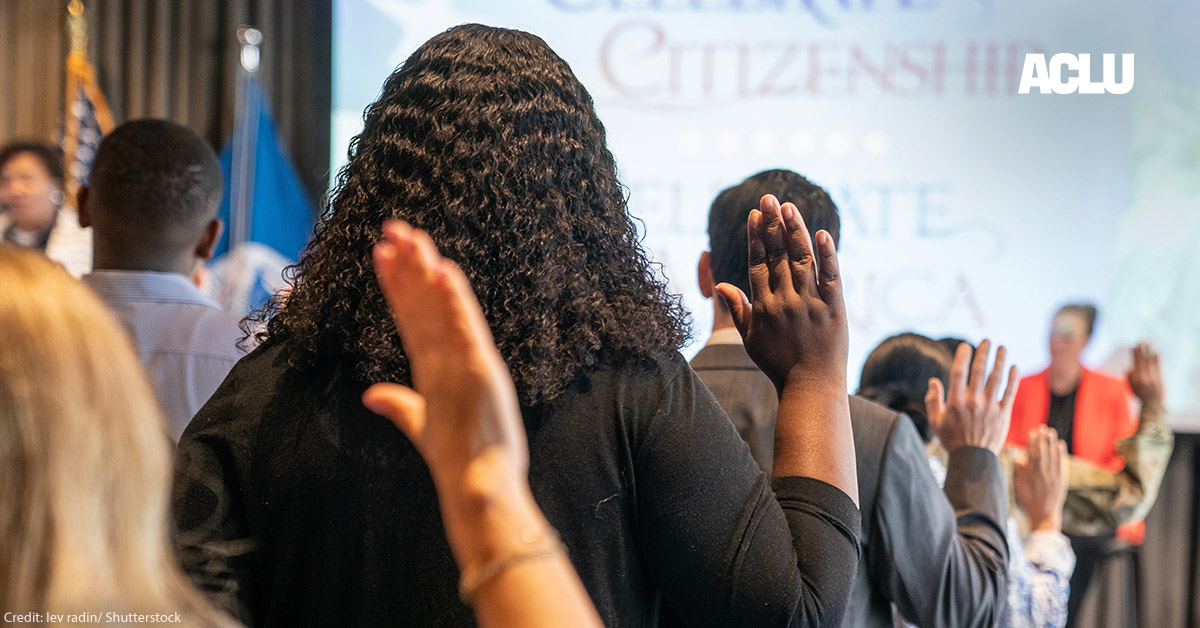 Trump Is Weaponizing the USCIS for the First Time in the Agency’s History
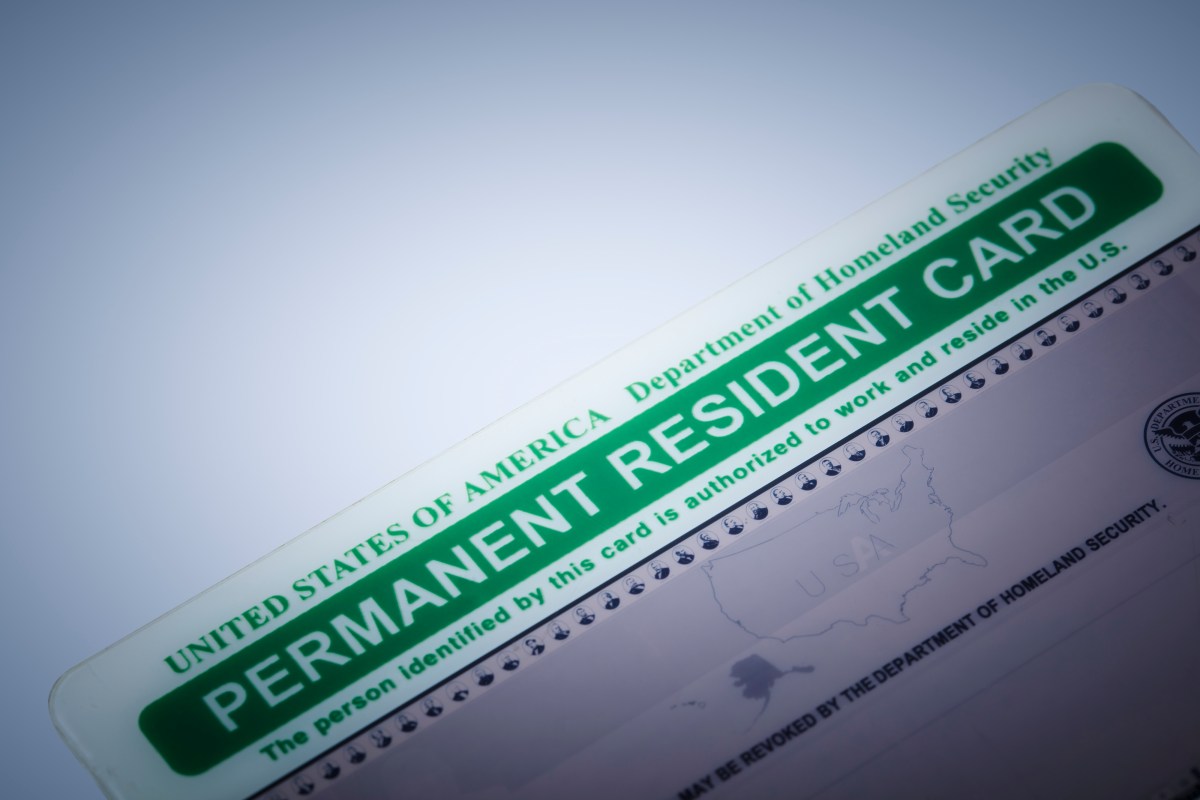 Green Card Update: DHS Proposes Major Reversal
 Cuban Family Reunification Parole Program in 2025
 USCIS Updates Policy on Assessing Good Moral Character in Adjudication of Naturalization Applications