



1. USCIS has initiated a new security vetting process effective as of April 27, 2026 which has resulted in temporary holds on cases that require fingerprint-based background checks. This new process has caused delays in the issuance of approvals for various case types including asylum, adjustment of status, naturalization, family-based petitions, humanitarian applications and employment-based filings. The USCIS will now need to resubmit fingerprint information for most pending cases where the biometrics were collected before the enhanced protocol was implemented. Although scheduled benefits interviews are to proceed as planned, the issuance of approvals is largely paused until the new vetting process is complete, potentially leading to increased scrutiny of applicants’ backgrounds and more requests for evidence.
2. Federal immigration officials have recently exempted physicians from a freeze in visa processing that was affecting more than three dozen countries. However, these changes have yet to result in significant action by USCIS. There are concerns that visa delays for both practicing and resident international physicians, many of whom originate from foreign countries, could disrupt patient care access and increase wait times. This issue could also impact rural and underserved areas heavily where foreign-born doctors are serving in communities where there are already severe physician shortages.
3. Becoming current is a major milestone for many long-pending adjustment of status applicants. However, it does not always lead to immediate approval. For such cases, proactive steps including updating medical exams and submitting a Supplement J (if applicable) can sometimes help trigger movement, but are far from guaranteed solutions. If a case has been pending for an extended period after becoming current, it may be worth discussing strategy with immigration counsel to determine the best next steps.
4. A South Korean legal permanent resident, Young Joo Ko, was arrested in Los Angeles for allegedly committing fraud involving immigration medical documentation as a result of USCIS’s fraud detection efforts. Young Joo Ko was charged with misuse of visas, permits and other documents. Fraudulent immigration medical documents result from a scheme that exploits the green card application process. USCIS has taken an aggressive approach to crack down on such types of fraud under recent administrations.
5. According to a report, thousands of Afghans residing in the U.S. have been living in fear, stress and worry following the Trump administration’s aggressive efforts to crack down on legal immigration from Afghanistan. The administration took such measures after an Afghan national was accused of shooting two National Guard members. In response to the incident, the USCIS halted all asylum decisions for applicants from 19 “high risk” countries including Afghanistan.
6. USCIS issued an August 2025 policy memorandum to address the need for heightened scrutiny in assessing an applicant’s “good moral character” in the adjudication of citizenship requests. The agency now requires not only the “absence of wrongdoing,” but an applicant’s “behavior, adherence to societal norms, and positive contributions that affirmatively demonstrate good moral character.” A range of positive and negative factors will be assessed in a “holistic” manner during this assessment.
Sources:
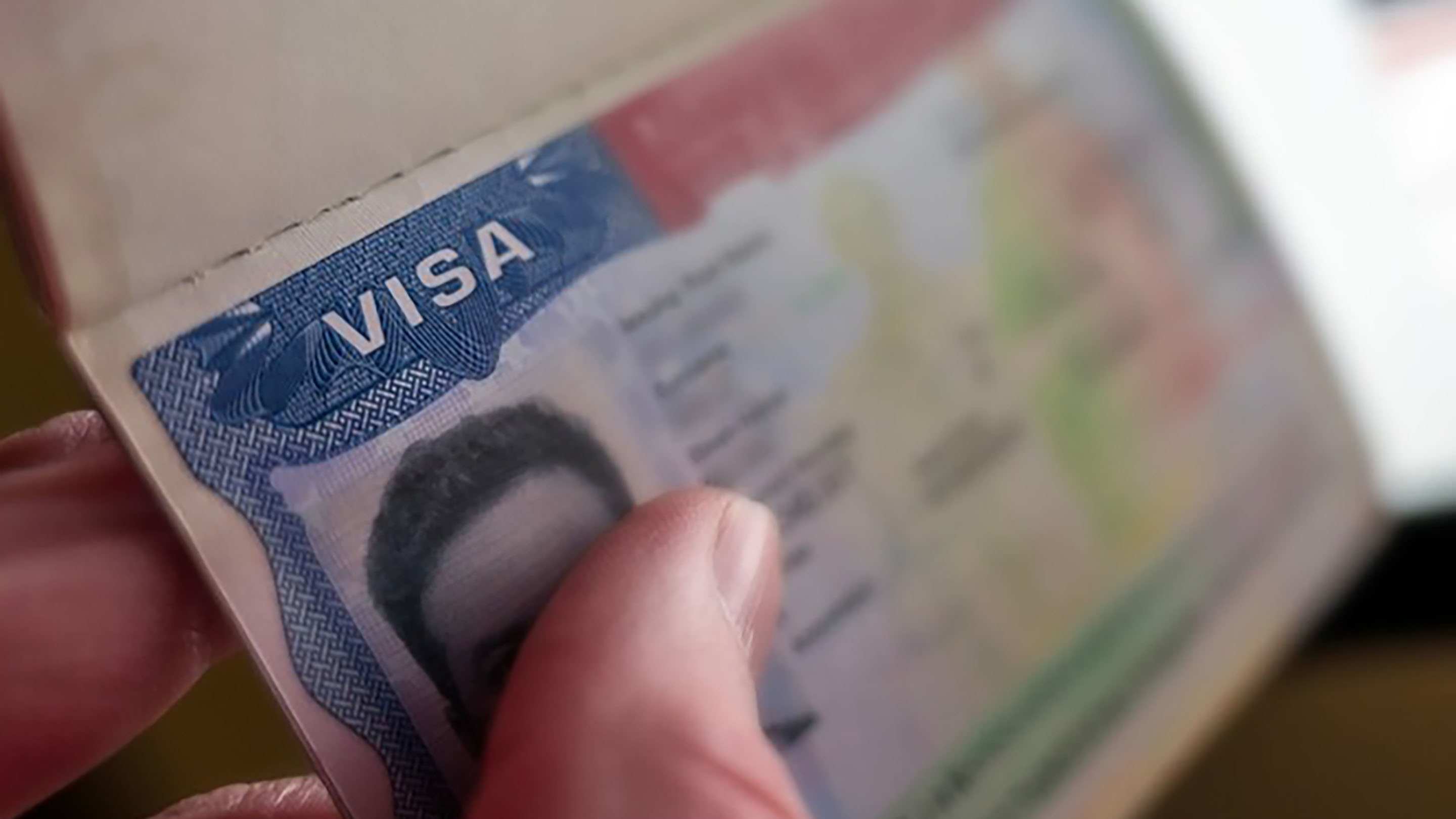 USCIS physician visa delays threaten health care access
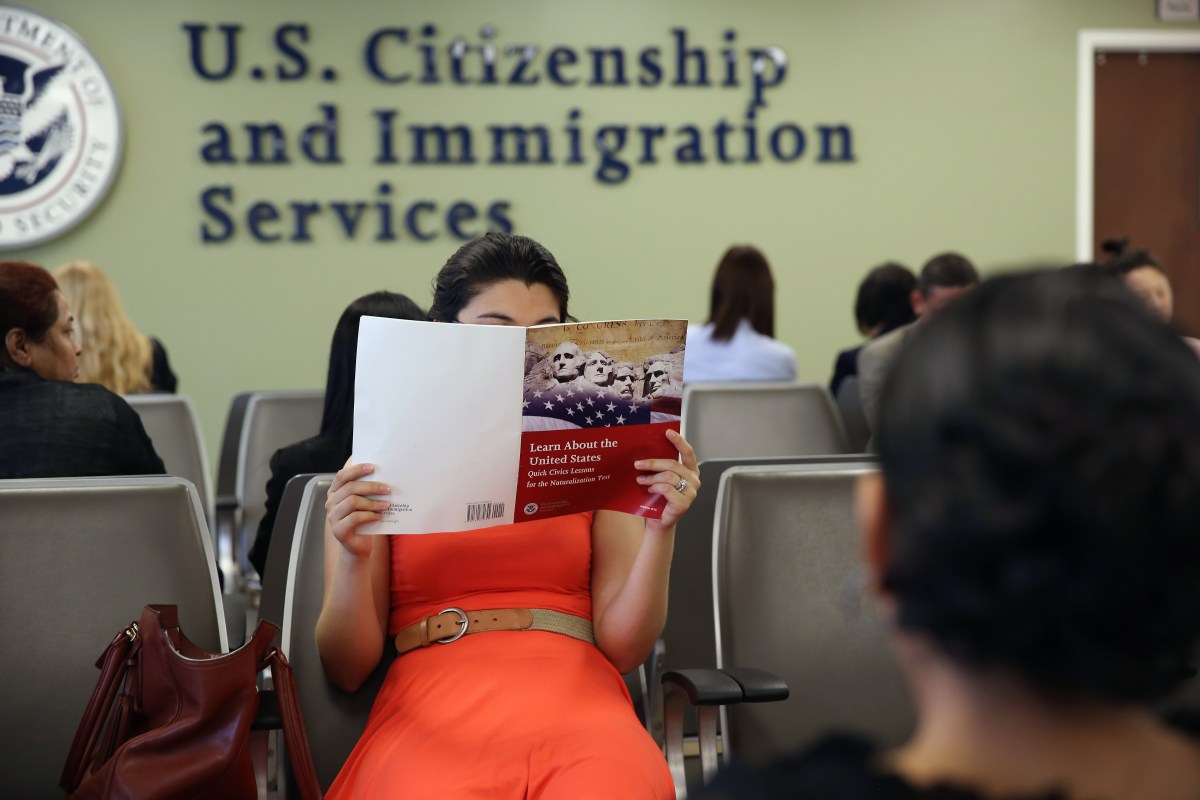 Green Card Holder Arrested Over Immigration Fraud, Fake Medical Forms
 Afghans legally in U.S. worry about their future amid Trump immigration crackdown
 USCIS Updates Policy on Assessing Good Moral Character in Adjudication of Naturalization Applications