



1. USCIS Physician Visa Delays Threaten Health Care Access:
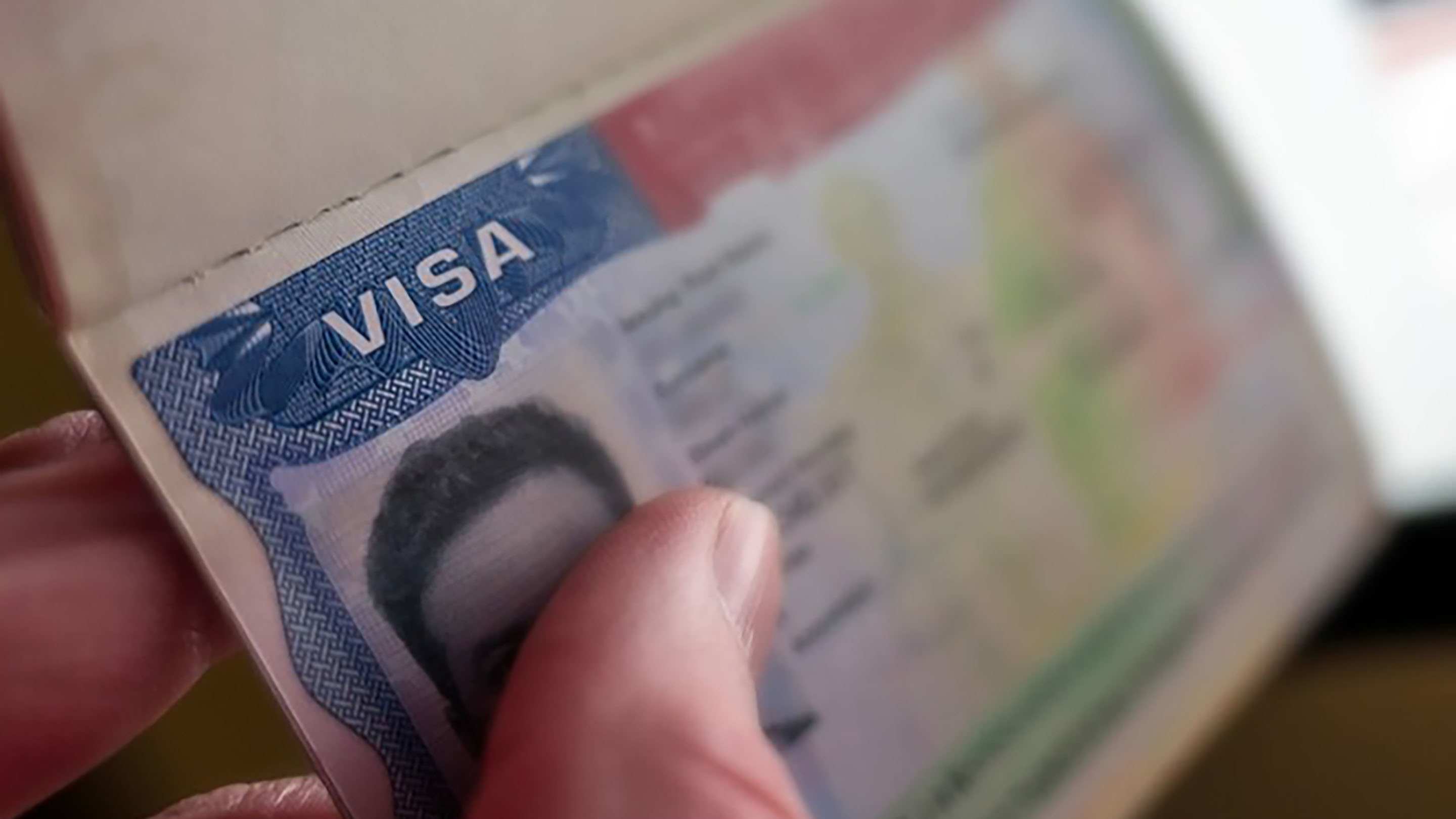
A lack of significant action by U.S. Citizenship and Immigration Services (USCIS) on the change in policy exempting physicians from visa processing freeze in several countries has led to problematic delays. The delays may soon cause a crisis as family medicine residencies begin a new academic year in July. With over 2,500 foreign-born international medical graduates (IMGs) set to join U.S. family medicine programs, the slow processing can increase wait times and strain health systems. This could hit rural and underserved areas hardest as many foreign-born physicians serve in these communities.
2. Green Card Holder Arrested over Immigration Fraud, Fake Medical Forms:
A South Korean green card holder in Los Angeles, Young Joo Ko, was arrested on charges of fraud involving immigration medical documentation. Federal authorities allege that Ko exploited the green card application process by creating fraudulent medical documents, falsely posing as a medical professional, and falsely claiming that medical exams had been completed. The arrest forms part of a larger focus by the Trump administration in combatting fraudulent billing and Medicare fraud, which can increase costs for taxpayers. The focus includes recent efforts such as a coordinated crackdown on fraudulent billing and hospice fraud in the Los Angeles area.
3. Judge Allows Challenge to USCIS Immigration Application Freeze:
The U.S. District Court for the District of Columbia ruled that USCIS’s freeze of immigration applications is likely arbitrarily and capriciously applied. The Court ordered USCIS to process the employment authorization application of an Iranian physician within seven days. The decision establishes a distinction between an agency exercising discretion and an agency effectively refusing to make decisions. The USCIS’s failure to provide an explanation for withholding work permits amid national security concerns raised questions regarding the rationale and legality of its policy.
4. Press Release – USCRI Highlights Risks of Reported USCIS Refugee Reinterview Plan:
U.S. Committee for Refugees and Immigrants (USCRI) expressed its concerns over the USCIS directive subjecting over 200,000 refugees admitted into the U.S. to potential review and reinterviews. USCRI calls on the administration to reconsider the policy, which it sees as a threat to the progress refugees have made towards integration and stability. The organization urges the government to uphold its commitment to support the rights and welfare of refugees.
5. USCIS Updates Policy on Assessing Good Moral Character in Adjudication of Naturalization Applications:
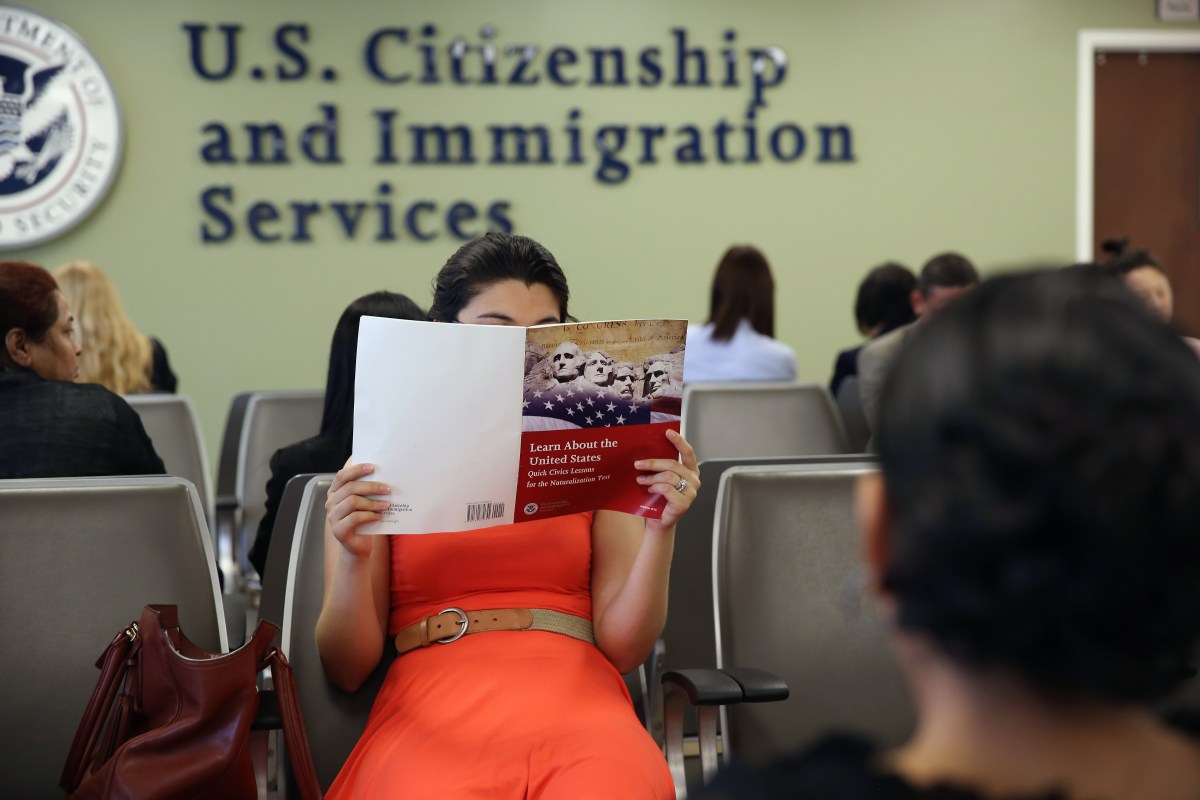
USCIS released a policy memorandum which changes the approach towards the assessment of an individual’s “good moral character”, a necessity in naturalization applications. The previously clear-cut modality has been changed to a more holistic one, worming its way into an individual’s life to judge their morality beyond their criminal history. The move, while promising to provide a thorough examination of the individual’s behaviour and community impact, raises concerns over the standardization and predictability of the adjudications.
6. Post-Arrival Medical Screening of Newly Arrived Refugees, Immigrants, and Migrants :
CDC’s Yellow Book emphasises the importance of healthcare professionals to conduct comprehensive medical screenings of refugees, immigrants, and migrants arriving in the U.S. Key areas of evaluation include mental health and developmental screening, vaccinations, future travel consultancy, and access to care. The aim is to provide a clear picture of the newcomer’s health status, ensure their well-being, and assist in their assimilation into the medical system of the U.S.
1. October 2025 Visa Bulletin Released: Important Actions to Take
In October 2025, the Department of State’s Visa Bulletin controls the speed of green card processing. This includes two charts: Dates for Filing and Final Action Dates. When an applicant’s priority date becomes current, they can submit their I-485 application (Adjustment of Status), which is a major milestone. Applicants must gather key evidence such as immigrant petition approvals, birth certificates with English translations, marriage certificates, divorce decrees, adoption orders, and passport and status history. The USCIS policy requires a medical exam (Form I-693) to be completed by a civil surgeon when submitting the I-485 application. Supplementary forms such as Form I-485J (Supplement J), Form I-765 (EAD), and Form I-131 (Advance Parole) should also be included. Applicants are advised to respond quickly to USCIS inquiries, maintain accurate records, and consider litigation if their case has unnecessarily stalled.
2. About medical exams when applying for a green card
US Citizenship and Immigration Services (USCIS) require medical examinations during the application process for legal permanent residents. The exam aims to identify any public health-related issues that could affect the applicant’s admission to the U.S., determine necessary follow-up care, and ensure that all required vaccinations have been administered. Applicants who have come to the U.S. on a K fiancé or K spousal visa, who have already undergone a medical examination as part of their visa application process, will not need to repeat the full procedure. They will only need to demonstrate that they meet the vaccination requirements. The test includes a physical exam, a mental health evaluation, a skin test for tuberculosis, and a blood test. The results of the exam are valid for two years from the date of the civil surgeon’s signature. The examination must be performed by a government-approved physician and the applicant is responsible for the cost.
Sources:
 USCIS physician visa delays threaten health care access
 Green Card Holder Arrested Over Immigration Fraud, Fake Medical Forms
 Judge Allows Challenge to USCIS Immigration Application Freeze
 USCIS Updates Policy on Assessing Good Moral Character in Adjudication of Naturalization Applications
 Post-Arrival Medical Screening of Newly Arrived Refugees, Immigrants, and Migrants | Yellow Book
 About medical exams when applying for a green card