



1. The April 2026 Visa Bulletin announced progress in EB-2 and EB-3 categories for India, resulting in many I-485 status adjustment applications now being current. However, this does not always translate to quick action. Some applicants may consider taking steps such as obtaining a new I-693 medical exam or filing the I-485 Supplement J if the original I-140 petitioning employer has been changed. This might hasten the USCIS review process. Applicants should refrain from sending these documents too early, as they may be rejected or misplaced.
2. USCRI has expressed concern about reported plans by the USCIS to conduct a vast review or reinterview of over 200,000 refugees admitted to the US between January 20, 2021, and February 20, 2025. This move, which has no precedent and is unnecessary, could delay access to permanent residence, disrupt years of integration, and create fear and uncertainty. Refugees already go through strict security measures before arrival in the US, and further reinterviews could retraumatize those who have already undergone violence and persecution in their home countries.
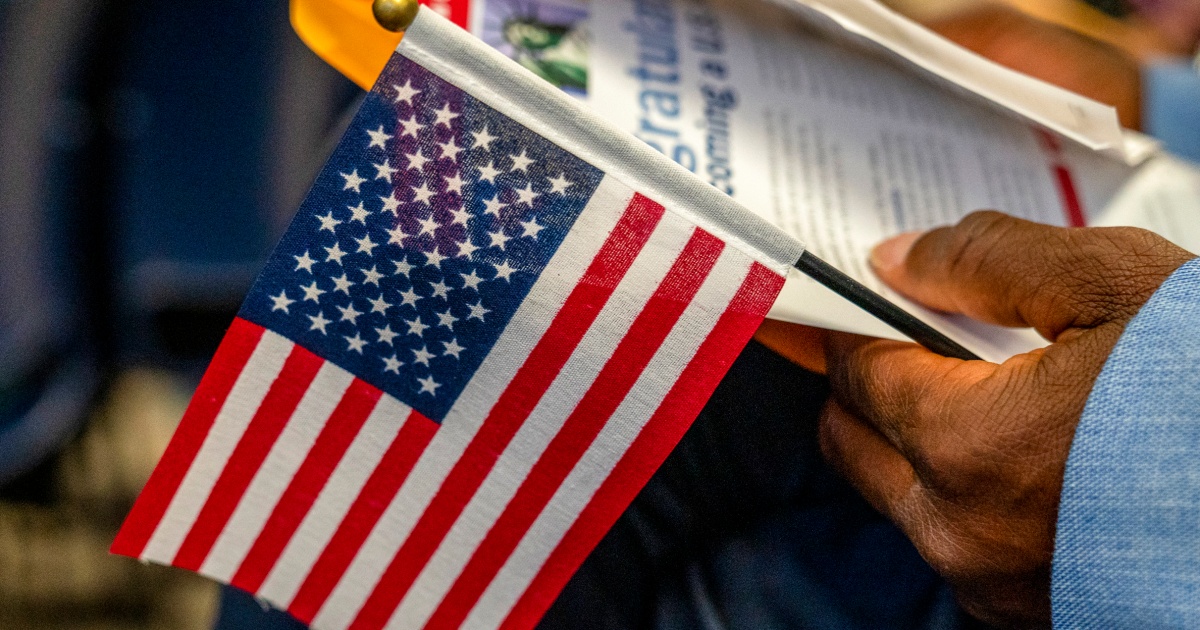
3. Thousands of Afghans in the US are stressed out due to an immigration crackdown following an incident where an Afghan national shot two National Guard members. As a result, the Trump administration has expanded its policy to scrutinize legal immigration from Afghanistan. Afghans in the US have criticized this change, stating that it generalises the entire Afghan migrant populace based on a single person’s actions. Concerns have also been raised about legal immigration from the country being halted indefinitely due to the USCIS halt of asylum decisions for applicants from “high risk” countries, including Afghanistan.
4. A proposed rule by the USCIS could tighten the public-charge ground of inadmissibility, possibly increasing scrutiny of green card applicants’ use of public benefits. In 2019, the Trump administration expanded the definition of public charge to include many non-cash benefits, adding a multi-factor framework. This was reversed in 2022 by the Biden administration, restoring the pre-2019 standard. Under the 2022 USCIS rule, non-cash benefits like SNAP generally do not play against applicants. The current proposed rule is under review by the OIRA and requires public comment before implementation.
1. Cuban Family Reunification Parole Program in 2025
The Cuban Family Reunification Parole (CFRP) Program enables certain U.S. citizens and lawful permanent residents to expedite entry permits for qualifying relatives based in Cuba. Beneficiaries can legally live and work in the U.S., eventually obtaining their Green Card. In 2025, the DHS and USCIS have modernized the CFRP, maintaining its function while making use of streamlined digital systems. Key updates include an online application process and shorter wait times. Both the beneficiary and sponsor must meet specific criteria, including having an approved Form I-130, an official invitation from the National Visa Center (NVC), fiscal sponsorship, alongside meeting U.S. admissibility requirements. A crucial point to note is that the program does not automatically grant a Green Card, but instead provides a pathway towards citizenship.
2. USCIS Updates Policy on Assessing Good Moral Character in Adjudication of Naturalization Applications
In August 2025, the USCIS updated the policy memorandum on the adjudication of citizenship applications. The policy now requires a comprehensive evaluation of an applicant’s behavior and contribution to society, proof of community involvement, educational attainment, and career stability, adherence to legal and financial responsibilities. Negative factors such as drug misuse, DUI convictions, false claims, and unlawful voting could lead to disqualification. However, the implementation of this subjective criterion raises several concerns about how the agency handles good moral character assessment and citizenship applications, possibly leading to inconsistent results.
Sources:
 My Priority Date Is Becoming Current in April 2026 – What Should I Do If My I-485 Has Been Pending?
 Press Release – USCRI Highlights Risks of Reported USCIS Refugee Reinterview Plan
 Afghans legally in U.S. worry about their future amid Trump immigration crackdown
 Green Card Update: Trump Admin Proposes Major New Restrictions
 Cuban Family Reunification Parole Program in 2025
 USCIS Updates Policy on Assessing Good Moral Character in Adjudication of Naturalization Applications