


1. The October 2025 Visa Bulletin has been released, marking the beginning of the new fiscal year and bringing changes for many awaiting in the employment-based green card queues. The bulletin provides two groups with pathways to file their Adjustment of Status (I-485) or have their pending case approved now that a visa number is available. Comprehending the monthly Department of State’s Visa Bulletin is crucial as it determines access to green card processing. The bulletin contains two charts, “Dates for Filing” (DOF) which shows when one can file their I-485, and “Final Action Dates” (FAD) which indicates when a visa number is available and a case can be approved. Moreover, USCIS advises applicants to prepare their documents in advance, such as immigrant petition approvals, civil documents, and passport & status history. Supplementary forms like Form I-485J (Supplement J) and Form I-765 (EAD) and Form I-131 (Advance Parole) are also suggested.
2. The U.S Citizenship and Immigration Services (USCIS) has implemented new requirements for U.S. Green Card applicants. The updated rule demands that applicants should submit their medical examination report (Form I-693) concurrently with their initial application. This is a shift from the previous policy where the medical report submission would usually occur later on. The intention of this new requirement is to streamline the application process and minimize potential delays. The November 2025 Visa Bulletin has also been released noting progress in both family and employment-based visa categories. Kenyan immigrants have been particularly impacted by this movement, taking note of the importance of strict adherence to all application guidelines, tracking of priority dates, and the complexities of the immigration process to avoid rejections and delays.
3. The Trump administration has changed its policy regarding green card applications. The US Citizenship and Immigration Services (USCIS) now requires a renewed medical examination form for every new permanent residency application, instead of allowing the medical forms to remain valid indefinitely as previously allowed. The policy change takes effect from June 11, 2025, and can directly impact immigrants currently applying for adjustment status. Applicants must now retake the medical exam and obtain a new signed copy if their application is withdrawn. The medical evaluation is similar to a physical check-up involving assessment for specific health conditions or diseases that could make a person inadmissible to the U.S.
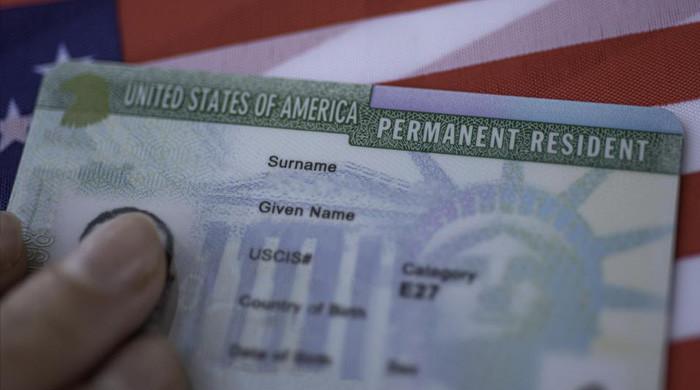
4. An immediate change to the green card application process has been announced by the Trump administration with every new permanent residency application now required to include a new medical examination form (Form I-693). This policy cancels the previous condition which allowed the medical form to be reused indefinitely. If applicants withdraw their previously filed application, the Form I-693 will be invalidated requiring them to undergo a new medical exam and submit a new form. Due to the immediate enforcement of this policy, applicants may face additional costs and delays with processing times, as they may need to retake medical exams and resubmit updated forms. These changes form part of the Trump administration’s growing trend in implementing increasingly rigid and complex immigration policies.
The Cuban Family Reunification Parole (CFRP) Program in 2025 is a critical immigration avenue that enables thousands of families to legally reunite in the United States. Initiated by the Department of Homeland Security (DHS) and USCIS, the tool helps U.S. citizens and lawful permanent residents request early entry permits or parole for their qualifying relatives in Cuba.
In 2025, significant changes to this family reunification program include the implementation of a new digital system that organizes applications and reduces waiting times. However, the benefit only applies to relatives of U.S. citizens or lawful permanent residents with an approved Form I-130. All official invitations get sent out by the National Visa Center (NVC), and the financial sponsorship is now filed online through Form I-134A.
The eligibility criteria for the CFRP enlist clear requirements for both the sponsor and the beneficiary. These criteria primarily include U.S. citizenship or lawful permanent residency for the sponsor and a valid Cuban passport for the beneficiary.
Required documentation for Cuban family reunification has to be carefully prepared to prevent delays or denials. DHS and the U.S. Embassy in Havana require digitized files, including NVC invitations, valid Cuban passports, approved Form I-130, and more.
The CFRP program provides a significant advantage compared to the traditional consular process concerning waiting times, place of processing, entry to the U.S., and final benefits. Typically, the CFRP process can take about 1 to 2 years, compared to 3 to 8 years for the consular process.
The application process for CFRP involves multiple steps, from receiving an official NVC invitation and filing the financial sponsorship (I-134A) to finally receiving travel authorization and entering the U.S. Upon entering the United States, beneficiaries can apply for a work permit through Form I-765 and seek permanent residence through the Cuban Adjustment Act after one year.
While CFRP is a beneficial program, applicants need to avoid mistakes such as not replying on time to the NVC invitation, uploading incomplete files, and using incorrect email addresses.
Several FAQs about the CFRP program include inquiries about the sender of the invitations, the costs, whether invitations can expire, and what to do if the sponsor passes away. The common thread in these questions points to the significant benefits of the CFRP program, but also highlights the need for timely responses, a thorough understanding of the process, and careful attention to the details of the application.
If an application gets denied, multiple alternatives can be considered, depending on the reason for denial mentioned in the USCIS or Department of State denial notice. These alternatives include re-paroling, switching to the regular consular process, or applying for individual humanitarian parole, adjustment of status under the Cuban Adjustment Act, and more. Ultimately, the Cuban Family Reunification Parole program forms a critical bridge in facilitating reunification of Cuban families with their relatives in the U.S.
Sources:
 October 2025 Visa Bulletin Released: Important Actions to Take
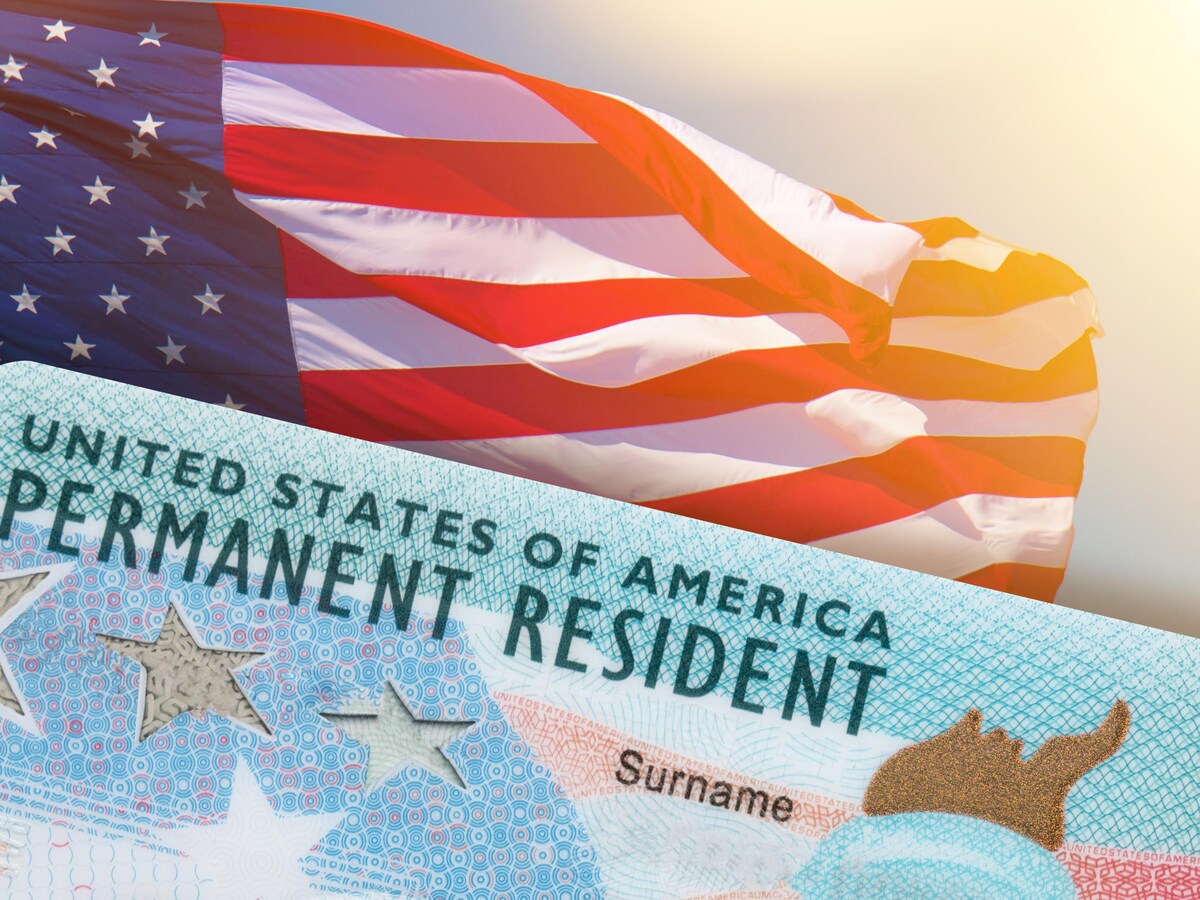 US Green Card Applicants Face New Medical Exam Rule, Visa Bulletin Shows Movement
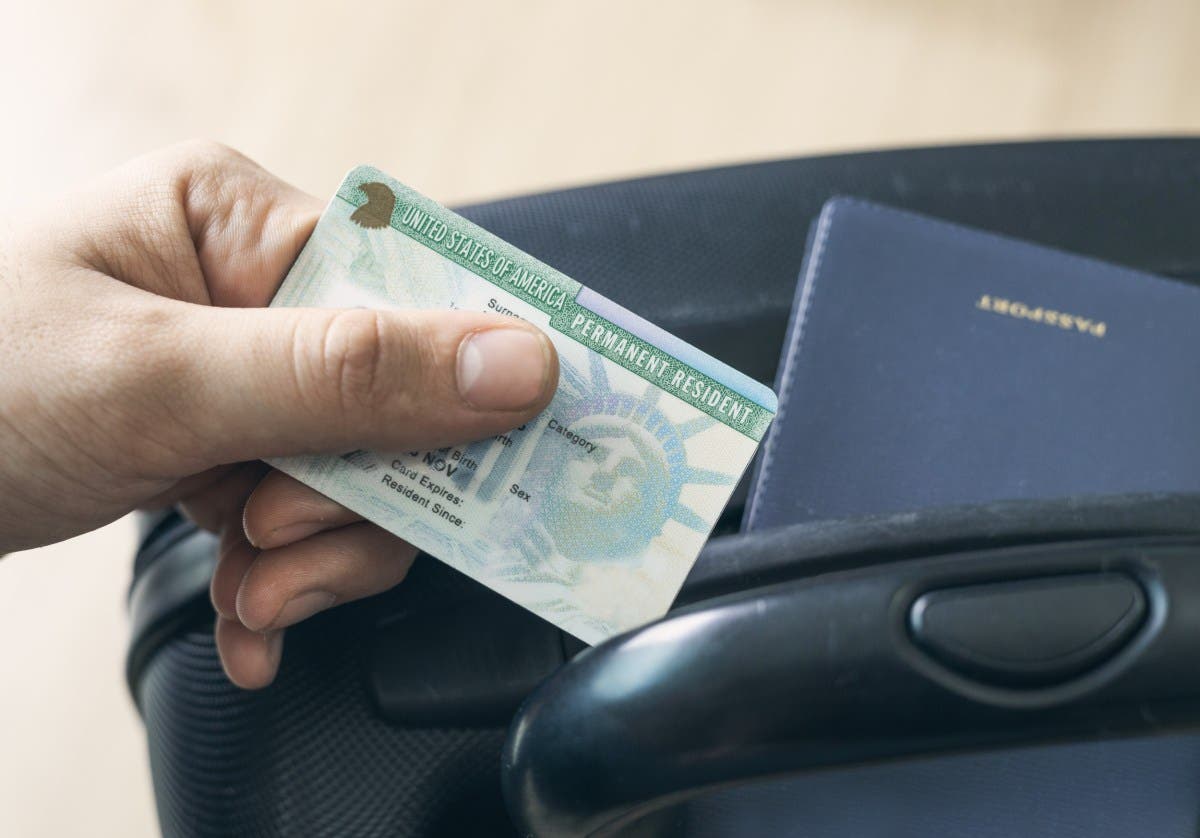 Trump Admin Makes Green Card Change ‘Effective Immediately’
 Trump administration announces immediate changes to green card policy
 Cuban Family Reunification Parole Program in 2025
One response to “Family Medicine and USCIS Medical Exam News – February 15, 2026”
sfgnsfnsf