



The CDC has issued new complete technical instructions for panel physicians involved in evaluating individuals applying for immigrant or refugee status in the U.S. The instructions focus on how to address physical or mental disorders with associated harmful behaviors and substance use disorders. With these guidelines, a physician can evaluate and record findings from the medical examination, which is a crucial component in the immigration process. The instructions supersede all previous ones for mental health and use uniform criteria in accordance with current medical knowledge standards of the American Psychiatric Association.
Meanwhile, the Trump administration has issued new rules for green card applicants. A policy introduced just over a year ago allowing indefinite use of medical examination forms was reversed. Now, every new application for permanent residency will require a renewed medical exam form. This change may impact immigrants who are currently applying for adjustment of status, as they were previously capable of using the medical form up until June 10.
These changes align with the apparent hardening stance on immigration enforcement by the Trump administration. That stance includes the revocation of green cards from immigrants deemed to be in violation of immigration laws. Green card holders have reportedly been detained or denied re-entry after travel abroad. This is seen to be less common prior to the start of this year.
Overall, these developments emphasize the
The State Department has resumed processing for F, M, and J visas for students and exchange visitors associated with Harvard University, coming after a court order reversing a former decision that posed national security concerns under the Trump administration. Only students and visitors related to Harvard are affected in this change.
Post a Supreme Court ruling, the Department of Homeland Security has begun termination of CHNV parole programs for individuals from Cuba, Haiti, Nicaragua, and Venezuela. The parole program termination, which was earlier blocked temporarily, is now lifted following the court order. Those affected will receive notifications concerning parolee work authorizations being revoked and the termination of employment via their myUSCIS accounts.
For green card applications, USCIS states that Form I-693 (Medical Exam) signed on or after 1st November 2023 will solely be valid while the linked application persists. If the application is withdrawn or denied, the I-693 will cease to be valid. Any future filings will require a new I-693. Additionally, starting July 3, 2025, USCIS will only accept Form I-693 (version 01/20/2025) with the filing of I-485 Applications to Adjust Status.
Undocumented individuals who deport themselves using the CBP One Home App will have their civil fines for failures to depart pardoned by the DHS since June 9, 2025. DHS has issued over 9,000 fines amounting to almost $3 billion so far and has made the self-deportation process simpler using the app.
The Department of State has released the July 2025 Visa Bulletin with USCIS using the Dates for Filing chart for family-based categories and the Final Action Dates chart for employment-based cases. Specific advancements have been cited in the family-based categories, and employment-based categories have seen movement across EB-1, EB-2, EB-3, EB-4, and EB-5.
ICE raids in agriculture, hospitality, and restaurant sectors were paused following President Trump’s remarks protecting long-term workers in these industries. However, ICE announced a reversal in this policy, and enforcement will persist, focusing on employers hiring undocumented individuals, especially those with criminal records.
The State Department has expanded social media screening for student visa applicants, which now requires consular officers to screen the online presence of applicants, studying any signs of hostility toward the U.S or support for foreign terrorist organizations.
On September 9, 2022, the U.S. Department of Homeland Security (DHS) issued a final rule on the ‘public charge’, giving noncitizens an understanding of how the DHS will administer the public charge ground of inadmissibility. This rule, in effect since December 23, 2022, restored the historical understanding of public charge or the reasons leading to the denial of a green card, visa, or admission into the United States.
The October 2025 Visa Bulletin has been released by the Department of State, potentially providing movement in the green card queues for those awaiting employment-based green cards. The bulletin provides options for two groups: those whose priority date just became current under the Dates for Filing chart (and can now submit their I-485), and those whose I-485 is already pending and whose priority date is becoming current under the Final Action Dates chart. The bulletin lays the groundwork for what steps these two groups need to take, such as gathering key evidence, scheduling medical exams, preparing supplementary forms and ensuring quality control. It also advises those whose I-485 is pending and whose date is current on how to keep momentum and avoid delays.
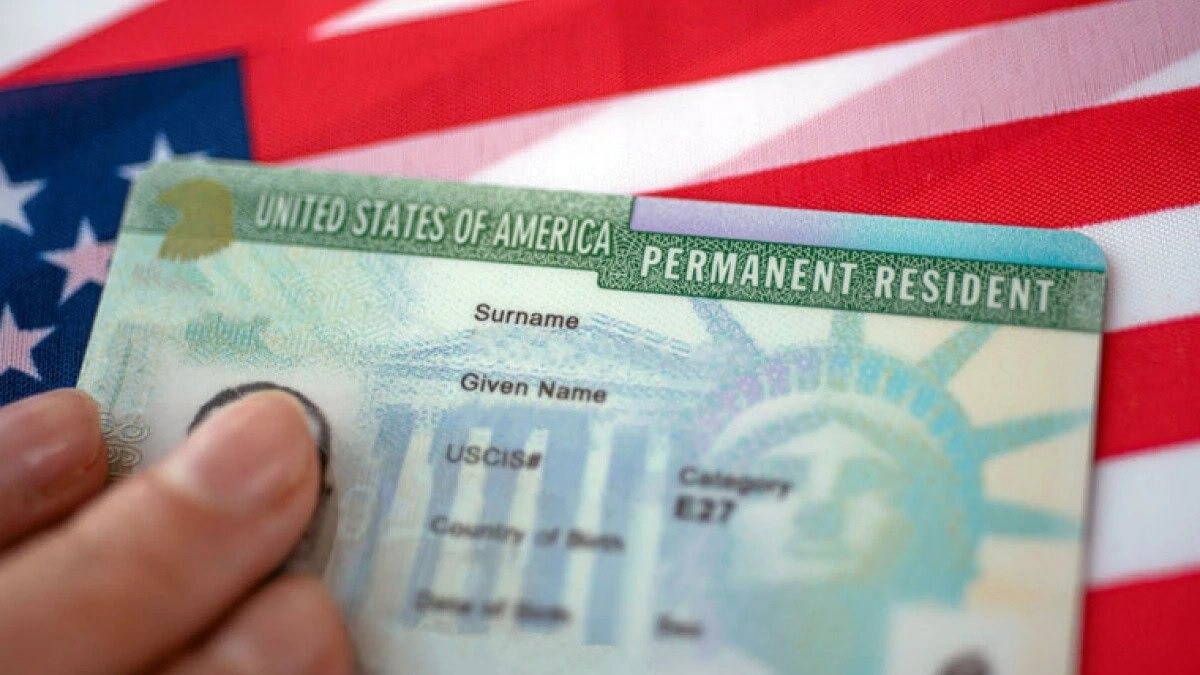
The U.S. Citizenship and Immigration Services announced an update to Form I-693, which is completed by those seeking to obtain a green card. From now on, any Form I-693 signed by a civil surgeon on or after Nov. 1, 2023, will only remain valid while the associated application is pending. If the application is withdrawn or denied, the form becomes invalid and a new form must be submitted with any subsequent application. The new policy will apply to all applications pending or filed on or after June 11, 2025. This update is important for those planning to seek green cards to live and work in the U.S. permanently. Applicants are advised to avoid errors and refiling costs by having their applications reviewed by experienced legal advisors before submission.
These recent changes in rules for green card applicants highlight the importance of staying updated with immigration policies and practicing diligence in application preparation. Making sure to follow the appropriate steps outlined in the Visa Bulletin can help green card applicants to navigate a successful application despite potential setbacks. Understanding the updated rules regarding Form I-693 can also help inform a more effective application strategy.
The U.S. Citizenship and Immigration Services (USCIS) has changed the validity rules for Form I-693, a necessary document that provides evidence of medical examination and vaccination for Green Card applicants. With this policy change, any Form I-693 signed by a civil surgeon on or after November 1, 2023, is only valid while the corresponding application is under review. If an application is withdrawn or denied, the I-693 associated with it becomes invalid and cannot be reused. This policy applies to all Green Card applications that were pending or submitted on or after June 11, 2025.
Previously, USCIS had allowed an indefinitely valid I-693 form, a policy introduced on April 4, 2024. However, this rule perceived as a potential threat to public health has been reversed. The change now ensures timely and proper medical examinations and treatment for immigrants. In addition, USCIS made clear that documentation of COVID-19 vaccination isn’t required for adjusting the status of the applicants anymore. As per the CDC’s directive from March 11, 2025, the COVID-19 vaccine was removed from the list of necessary vaccinations.
Another significant change by the Trump administration focuses on a new requirement for Green Card applications. As of June 11, 2025, each new application for permanent residency necessitates a renewed medical examination form. Until then, Form I-693s, which can cost hundreds of dollars, were valid indefinitely, as long as they were rightly completed.
This policy modification implies that individuals applying for permanent residency might have to shell out for more than one medical examination. If their application is withdrawn or denied and they wish to reapply, they are now required to conduct the medical examination again.
The President also announced the launch of a new “gold card” option. For $5 million, successful applicants could purchase a Green Card. This move appears to be part of the President’s proposed replacement for the EB-5 offers that grant Green Cards to individuals who make substantial investments in the U.S. However, it’s worth noting that the President cannot modify or abolish the EB-5 visa program without congressional approval. The proposed “gold card” scheme could theoretically coexist with the existing EB-5.
Sources:
 Trump Admin Makes Green Card Change ‘Effective Immediately’
 WR Immigration News Digest
 October 2025 Visa Bulletin Released: Important Actions to Take
 Green card applicants face new application rules now in effect
 Major change for Green Card applicants: USCIS says old medical reports can’t be reused after a denial, details here
 Trump admin changes requirements for green cards ‘effective immediately’